How Steel Wire Rope Is Made: From Wire Drawing to Rope Closing
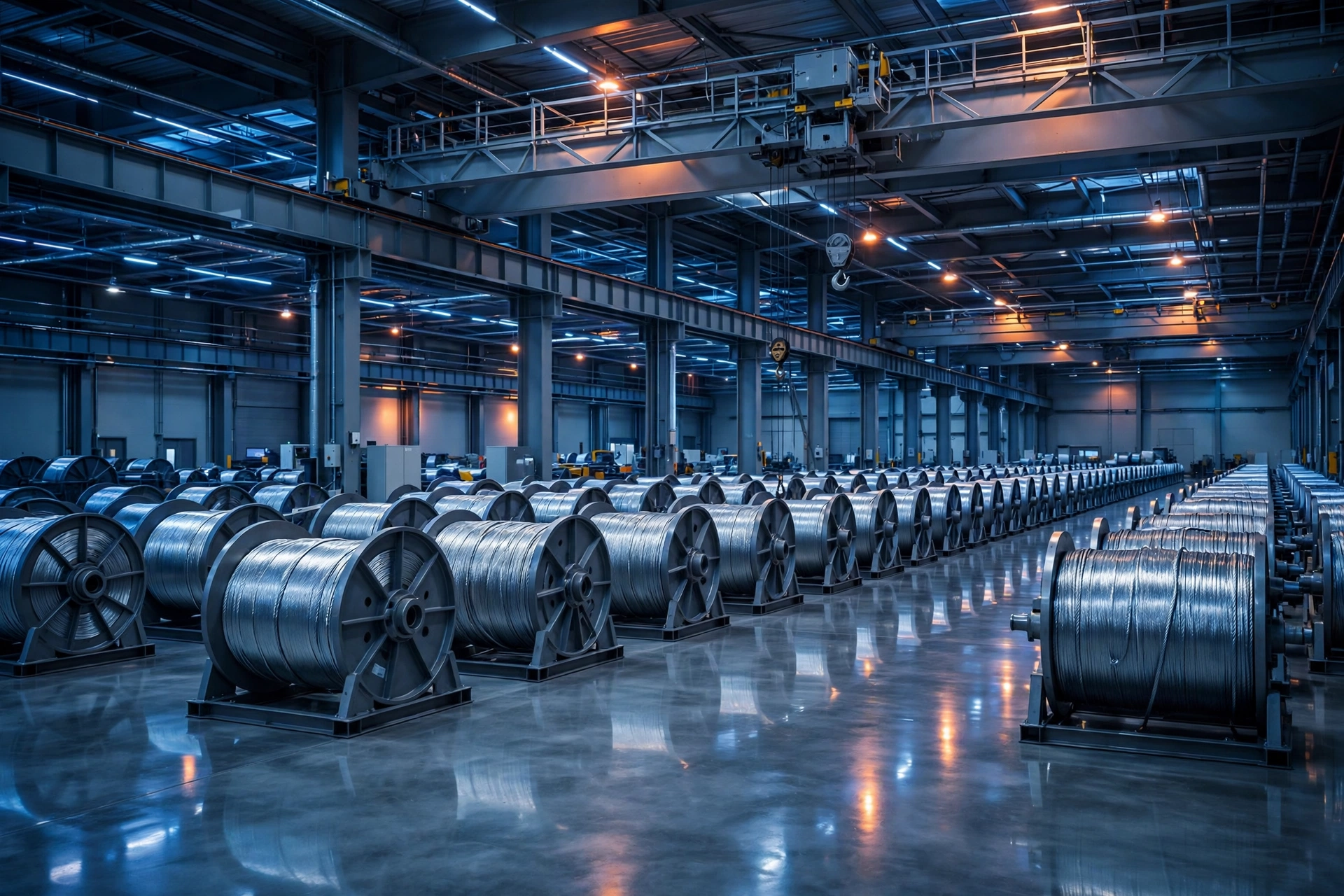
A steel wire rope looks simple. It isn't. Between the raw rod and the finished coil, the steel is drawn, twisted, closed and tested — and the discipline of each step is what separates a rope that lasts a decade from one that fails in a season. Here is how we make it at CSW.
1. Wire Drawing: Strength Is Born Here
Production starts with high-carbon steel rod (typically 45#, 60#, 65# or 70# grades). The rod is pulled through a series of precision dies, each pass reducing its diameter and — through work hardening — raising its tensile strength. Lubrication, die geometry and drawing speed are controlled to keep the wire's surface flawless: any nick at this stage becomes a fatigue crack later.
For galvanized rope, the wire is zinc-coated either before drawing (electro-galvanized) or after (hot-dip galvanized), depending on the coating weight the application demands.
2. Strand Twisting: Geometry Decides Behavior
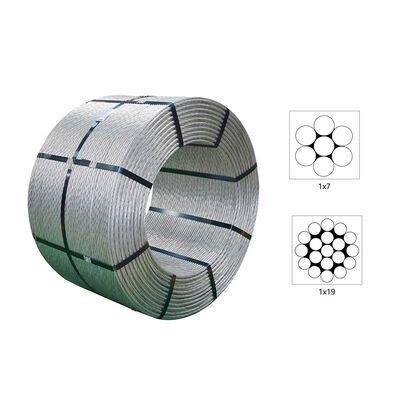
Individual wires are twisted into strands on stranding machines. This is where the rope's personality is set: lay direction, lay length, strand diameter and core fit. A 1×7 strand is stiff and low-stretch — ideal for guys and stays. A 6×19 or 6×37 construction trades some rigidity for flexibility and fatigue resistance, which is what crane and elevator ropes need.
3. Rope Closing: Strands Become Rope
Finished strands are closed helically around a core — fiber core for flexibility, independent wire rope core (IWRC) for crush resistance and strength. Our closers run from compact lines up to 36-strand machines for the heaviest constructions. Tension is kept uniform across every strand; uneven tension is the quiet killer of rope life.
4. Testing: Trust, Verified
Every batch is proof-tested: breaking load, elongation, torsion and, for galvanized product, zinc coating weight and adhesion. Coils ship with mill test certificates, and third-party SGS inspection is available on request.
What This Means for Buyers
When you compare quotations, ask about the process behind the price: wire grade, coating class, core type and test documentation. A rope is only as good as its weakest manufacturing step — at CSW, we control all of them in-house.
Discuss Your Specification With Our Engineers.
Send your working conditions — we reply with a construction recommendation and factory quote.
Get a Quote