Steel Wire Rope Structures Explained: 1×7, 6×19, 6×37 — How to Choose
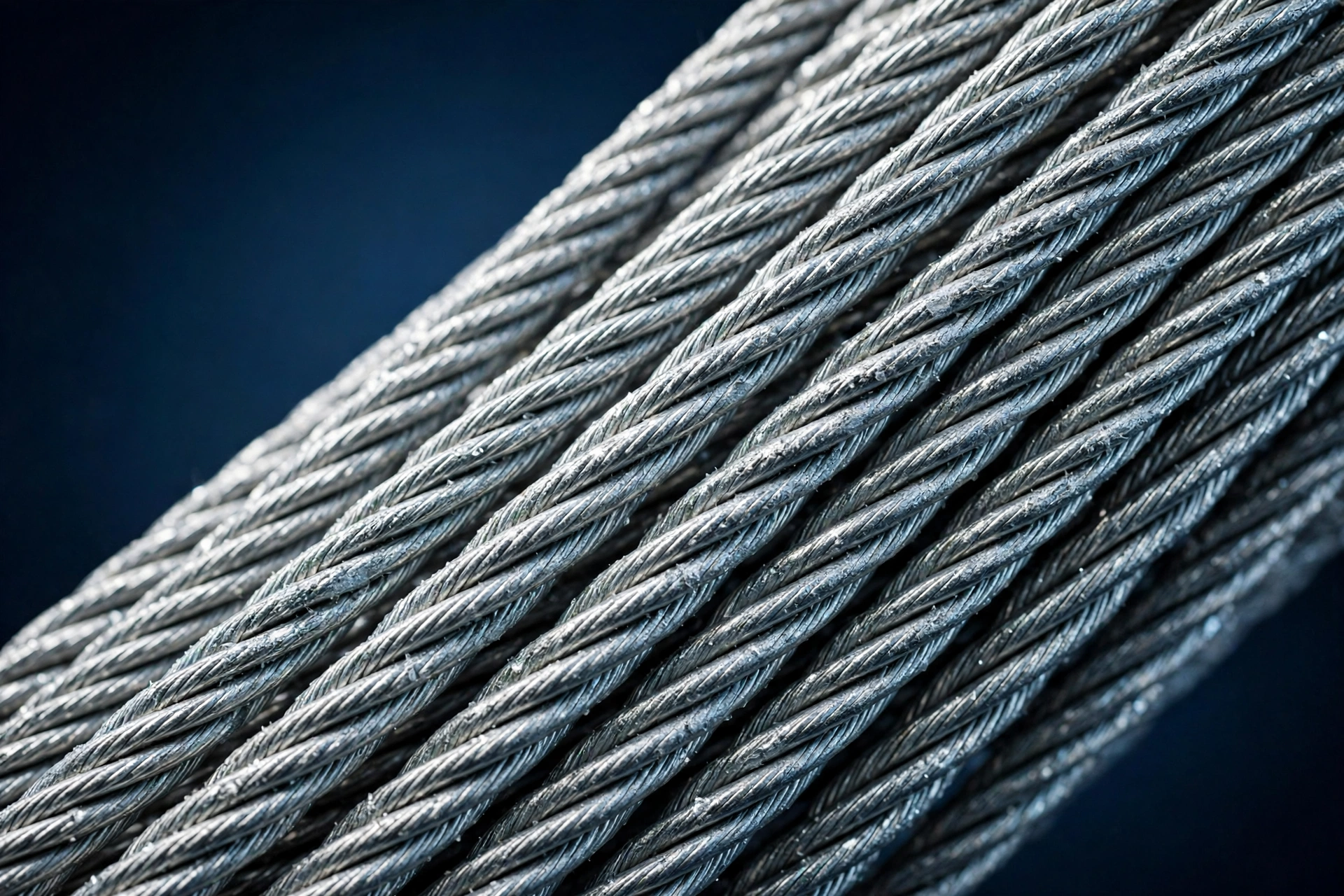
Rope catalogs speak in code: 1×7, 6×19, 6×37, 8×19. Once you know what the numbers describe, choosing the right rope becomes straightforward.
Reading the Code
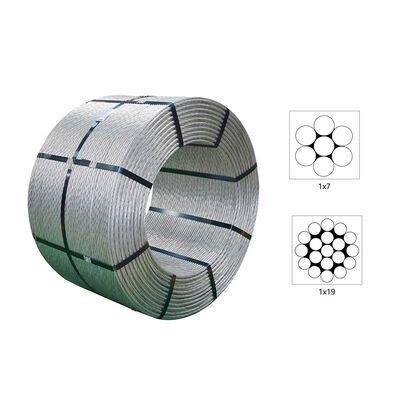
The first number is the count of strands in the rope; the second is the approximate number of wires in each strand. So 6×19 means six strands of about nineteen wires each, closed around a core. 1×7 is a single strand of seven wires — technically a strand, sold and used as a rope.
The Core Trade-Off: Strength vs. Flexibility vs. Fatigue
- 1×7 and 1×19 — few, thick wires. Very strong for their diameter, stiff, minimal stretch. Best for: guy wires, stays, architectural tension members, control cables.
- 6×7 — a step up in flexibility with good abrasion resistance thanks to thicker outer wires. Best for: winch lines, haulage, applications dragging over surfaces.
- 6×19 / 6×36 (6×37 class) — many thin wires. Excellent flexibility and fatigue resistance over sheaves and drums. Best for: cranes, hoists, elevators, fishing.
Core Matters Too
Fiber core (FC) gives flexibility and is forgiving; independent wire rope core (IWRC) adds ~7% strength and far better crush resistance for multi-layer drum winding. For heavy hoisting, IWRC is almost always worth it.
A Quick Selection Checklist
Before requesting a quote, note: (1) maximum working load, (2) whether the rope bends over sheaves or drums — and their diameters, (3) environment — moisture, salt, chemicals, temperature, (4) abrasion exposure. Send us these four and our engineers will specify the construction, grade (1570/1770/1960 MPa) and coating.
Discuss Your Specification With Our Engineers.
Send your working conditions — we reply with a construction recommendation and factory quote.
Get a Quote